Our Approach
We believe young people become better equipped to participate in an interconnected world when they have meaningful opportunities to encounter similarities and differences, share their own experiences and learn directly from others.
Dialogue Exchange combines intercultural dialogue, global learning and repeated practice to support young people in becoming active and open-minded global citizens who can engage with difference and contribute to more peaceful and inclusive communities.
What do we mean by dialogue?
Dialogue is an encounter in which people learn from one another in order to better understand each other’s perspectives, values, experiences and beliefs.
It is reciprocal.
It recognises both similarities and differences.
And it creates space where people can question, listen, reflect and sometimes challenge one another respectfully without needing to agree.
Dialogue Exchange aims to create safe, brave and inclusive spaces for that encounter.

Why intercultural dialogue?
Young people are growing up in an increasingly connected world, where the ability to understand others and communicate thoughtfully is more important than ever.
Developing these skills goes beyond learning about different places or perspectives. It requires opportunities to engage with others, listen with curiosity and empathy, express ideas clearly, and discover how understanding grows through meaningful dialogue with individuals whose experiences may be similar or differ from their own.
Dialogue Exchange creates those opportunities, helping young people engage with difference constructively through online learning and live facilitated experiences.

The five core skills
Our pedagogy centres on five skills that can be intentionally taught, practised and developed.
Sharing personal experiences, values and perspectives authentically and respecting views that may be different or challenging.
Listening to understand what another person is saying and demonstrating empathy and recognition.
Evaluating, analysing and interpreting information about ourselves, other people and the world.
Asking questions that deepen understanding, include different voices and move dialogue forward.
Thinking about our own and others’ experience of dialogue and what we can learn from it.
From learning to practice
Dialogue Exchange creates repeated opportunities to apply these skills.
Teaching and learning resources
Educators can use adaptable activities and curricula to teach dialogue skills and a range of global topics within different learning communities.
Ultimate Dialogue Adventure
Young people build foundational knowledge and explore contemporary issues through interactive learning.
Dialogue Spaces
Young people practise written intercultural dialogue with peers in a moderated online community.
Video Conferences
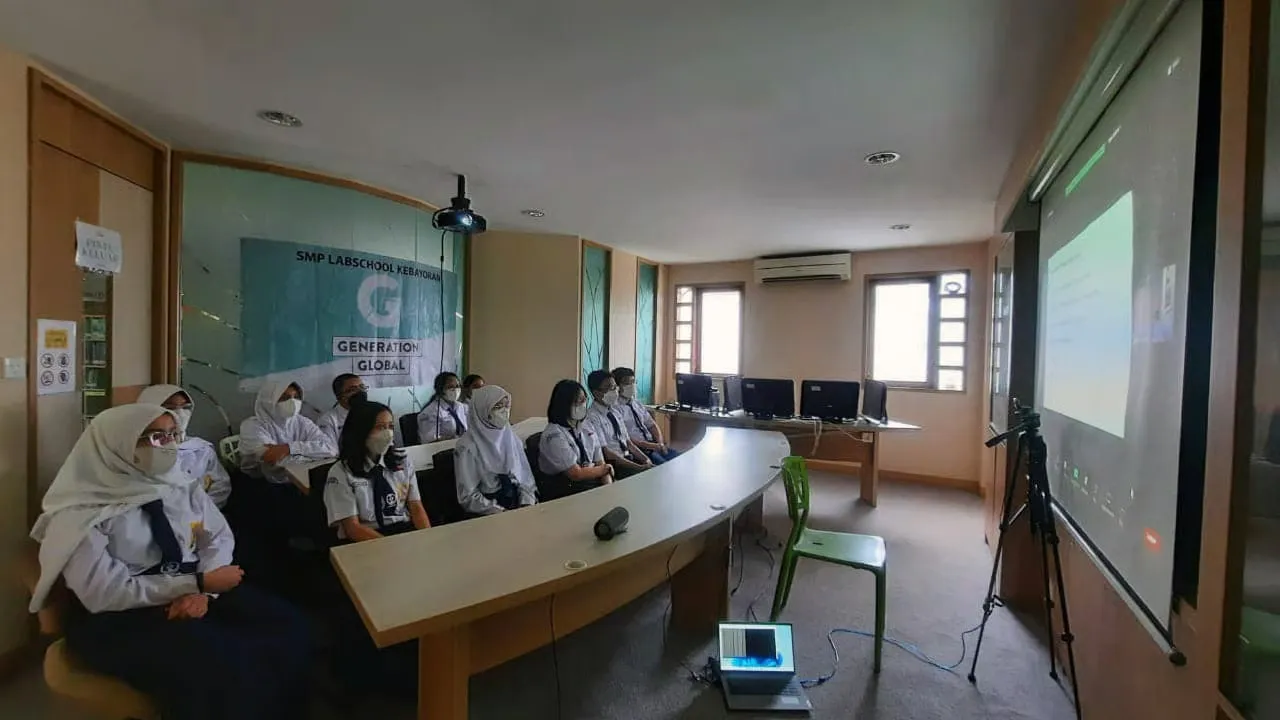
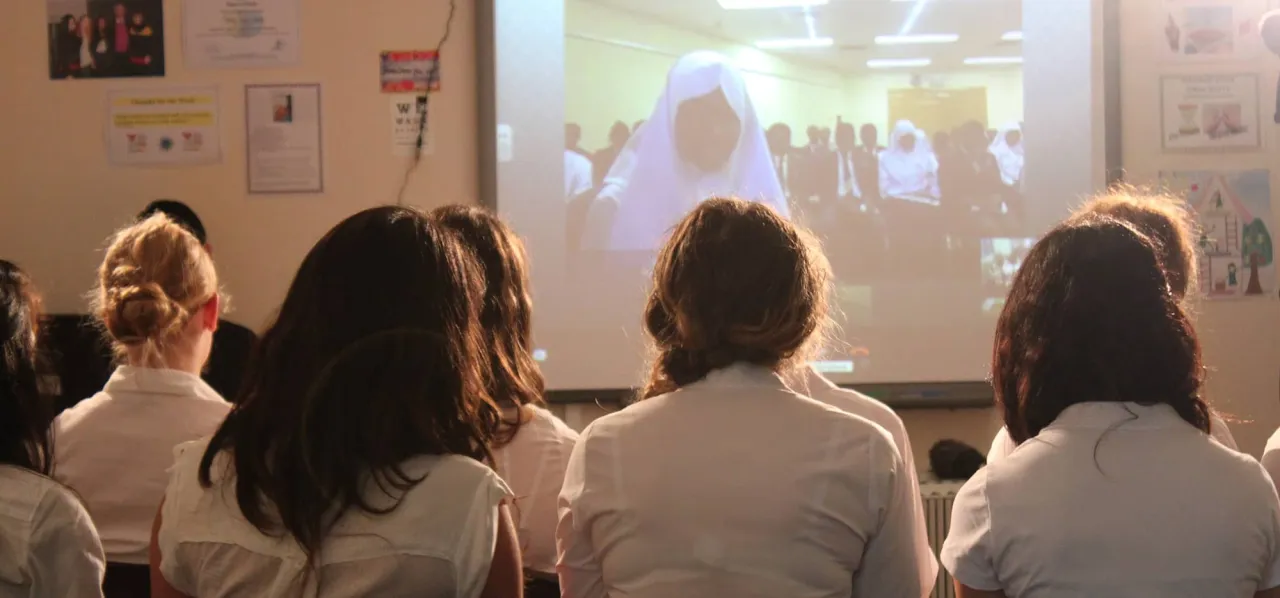
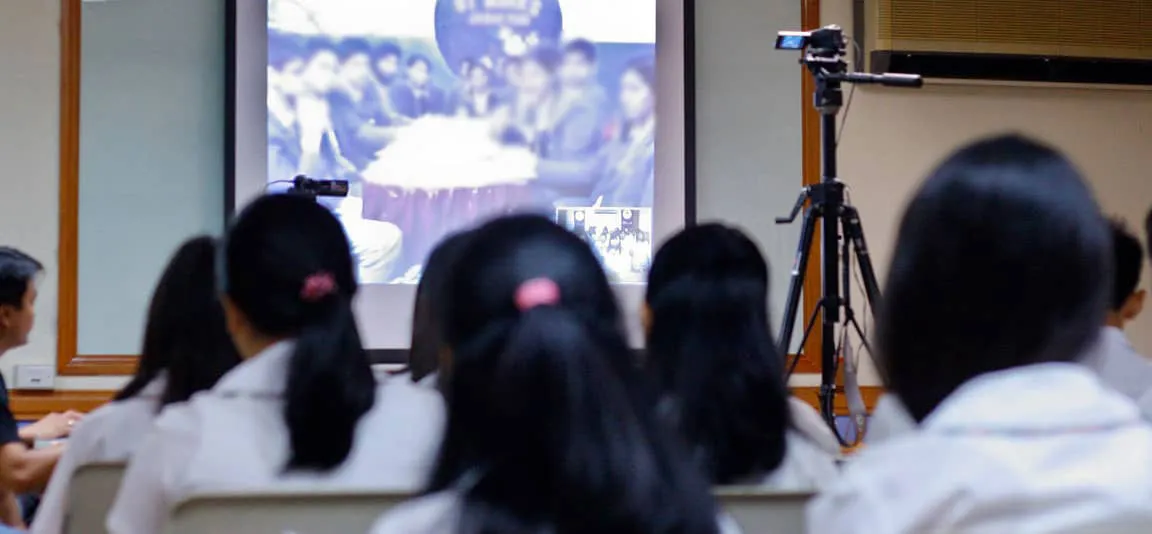
Participants move into real-time facilitated dialogue with young people from different countries and backgrounds.
This combination allows young people to move from knowing about dialogue to practising dialogue and ultimately to using it beyond Dialogue Exchange.
Learning across difference
Dialogue is not about changing someone’s beliefs or asking them to agree.
Young people bring their own identities, experiences, beliefs and values into the conversation while listening to and exploring perspectives that may be different from their own.
The goal is not agreement, but greater understanding of themselves and others.