Our Impact
Generation Global creates different pathways for young people to engage with the world around them.
We measure our reach, listen to young people’s experiences and examine what changes through participation so that we can understand what is working, improve what we do and be accountable for the impact we seek to create.
Our reach
Generation Global works across a growing global community of young people, educators, schools and partners.
Impact snapshot
What we want to contribute to
Across different Generation Global experiences, we are interested in three interconnected areas.

Agency
Young people have meaningful opportunities to contribute, make choices and take action on issues that matter within their own contexts.
Agency might look different across the portfolio: developing a community project, shaping a Festival of Hope, contributing to an advisory process or simply gaining the confidence to share a perspective that might otherwise have gone unheard.
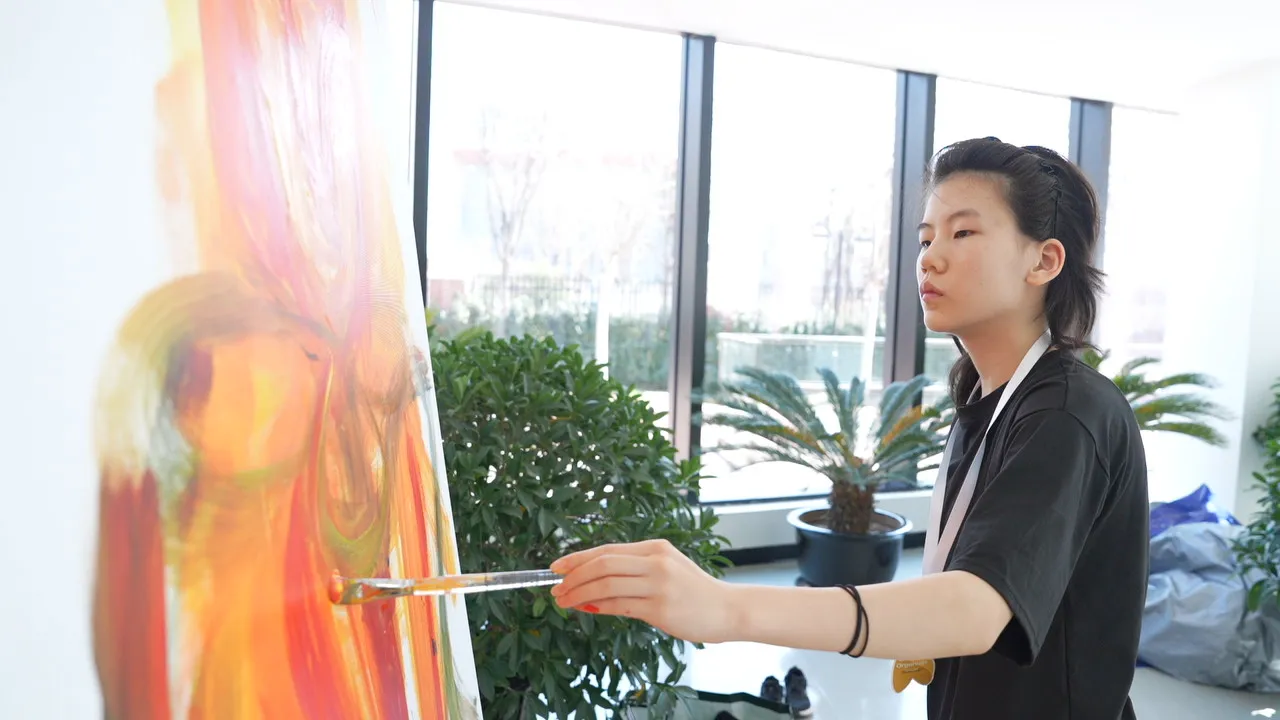
Capabilities
Young people strengthen capabilities that help them participate in an interconnected and complex world.
These include intercultural dialogue, communication, critical thinking, empathy, reflection, navigating complexity and continuous self-development.
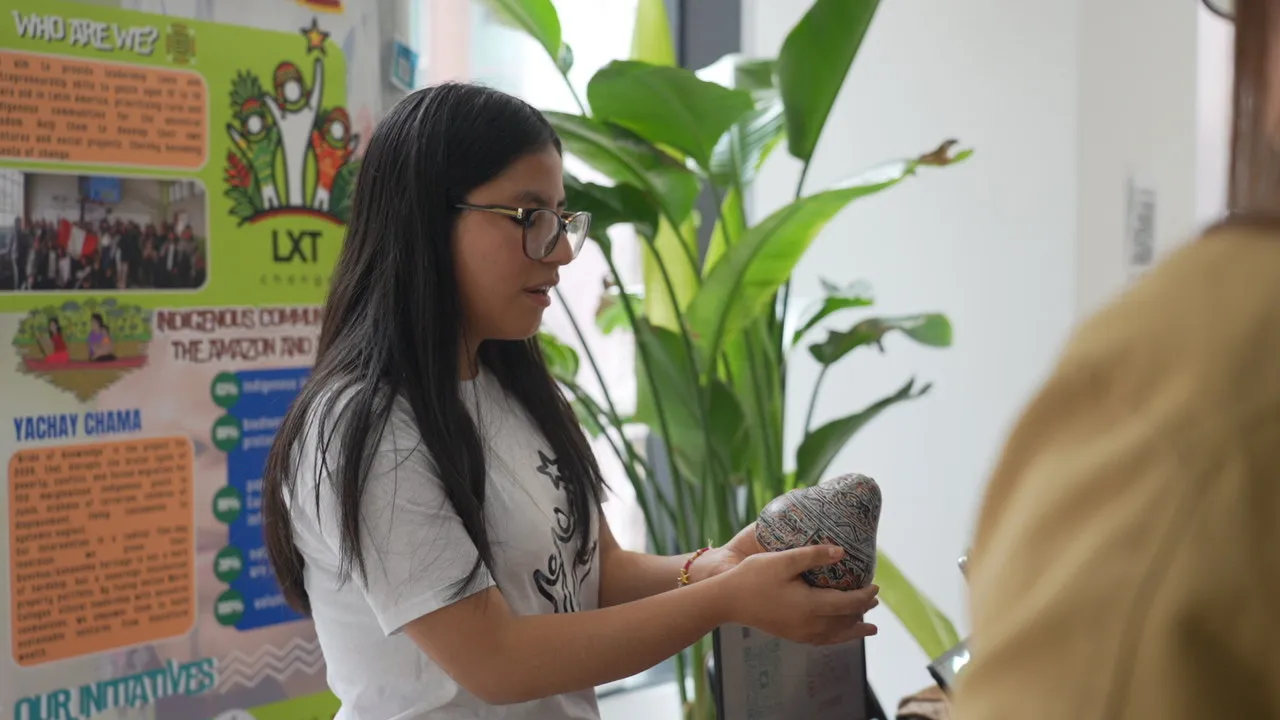
Community
Young people build relationships within and across communities, encounter different experiences and learn how to engage constructively across cultures, backgrounds and beliefs.
Generation Global seeks to create opportunities for connection that build trust, openness and greater understanding across difference.
What impact looks like across the portfolio
Different initiatives create different kinds of opportunities, so we do not expect impact to look identical everywhere.
Building dialogue capabilities and attitudes towards difference
Dialogue Exchange has embedded monitoring and evaluation into its digital learning journey.
Young people complete measures at different points in their participation, allowing us to examine how the same learners' attitudes and self-reported dialogue capabilities change over time.
Current matched-cohort data shows increases across areas including:
- sharing personal experiences and perspectives: +8.8 points
- asking questions: +4.9 points
- critical thinking: +4.5 points
- reflection: +3.3 points
- respectfully challenging different perspectives: +2.8 points.
The measures use a 0 to 100 scale and compare participants' baseline responses with subsequent progress measures.
Attitudinal measures also show changes in how participants perceive and respond to difference. For example, the current longitudinal dataset shows increases in diversity awareness and warmth towards people from different backgrounds.
Creating space for youth voice, community and action
Since 2022, Festival of Hope has engaged more than 12,000 young people across 90 countries.
Young people help shape celebrations and experiences around the issues they care about, creating opportunities for inquiry, connection and action within their own communities.
Investing directly in youth-led action
Since 2022, the Global Youth Action Fund has supported more than 1,000 young people across more than 400 projects linked to the UN Sustainable Development Goals.
Awardees in the 2025 cohort reported reaching more than 102,000 people directly through their projects.
Awardees also brought in 1,338 volunteers to help run their projects.
Building youth voice into decision-making
Impact can also mean changing who gets to contribute to decisions.
The Youth Advisory Council creates a formal route for young people to advise the IB and connect youth perspectives with programme development and wider conversations about education.
More than 1,400 young people from 92 countries applied for the inaugural 12-member Council.
We distinguish between what we know, what participants report and what we are still learning.
Self-reported improvement in a capability is different from an independently observed change in performance. Reaching someone through a funded project is different from demonstrating a long-term outcome in their life.
Our aim is to use the strongest evidence available, be transparent about its limitations and continue improving how impact is measured across the portfolio.
How we measure impact
Evidence should help us learn, not just prove that something happened.
Generation Global uses different approaches depending on the experience and the question we are trying to answer.
These can include:
Who is accessing Generation Global, from where, and how are they participating?
How do young people and educators experience our initiatives? What is useful? What needs to change?
Where appropriate, we ask young people the same questions at different points in their journey so that we can examine change within the same participants over time.
Dialogue Exchange currently uses this approach for measures relating to diversity, attitudes towards difference and dialogue capabilities. Its public impact data includes matched samples of more than 25,000 young people for several dialogue skill measures.
For initiatives centred on action, we examine what young people create, who projects reach and what happens within the communities where that work takes place.
Numbers do not tell the whole story.
Young people's reflections, experiences and stories help us understand how change happens, what barriers remain and how our initiatives can improve.